

As the global aging population continues to rise, the demand for reliable and affordable mobility solutions has grown at an unprecedented pace. Among all mobility aids, the electric wheelchair has become one of the most essential products for seniors, individuals with disabilities, and people with long-term mobility limitations. With improvements in battery technology, structural design, and manufacturing capabilities, electric wheelchairs are now more advanced and accessible than ever before.
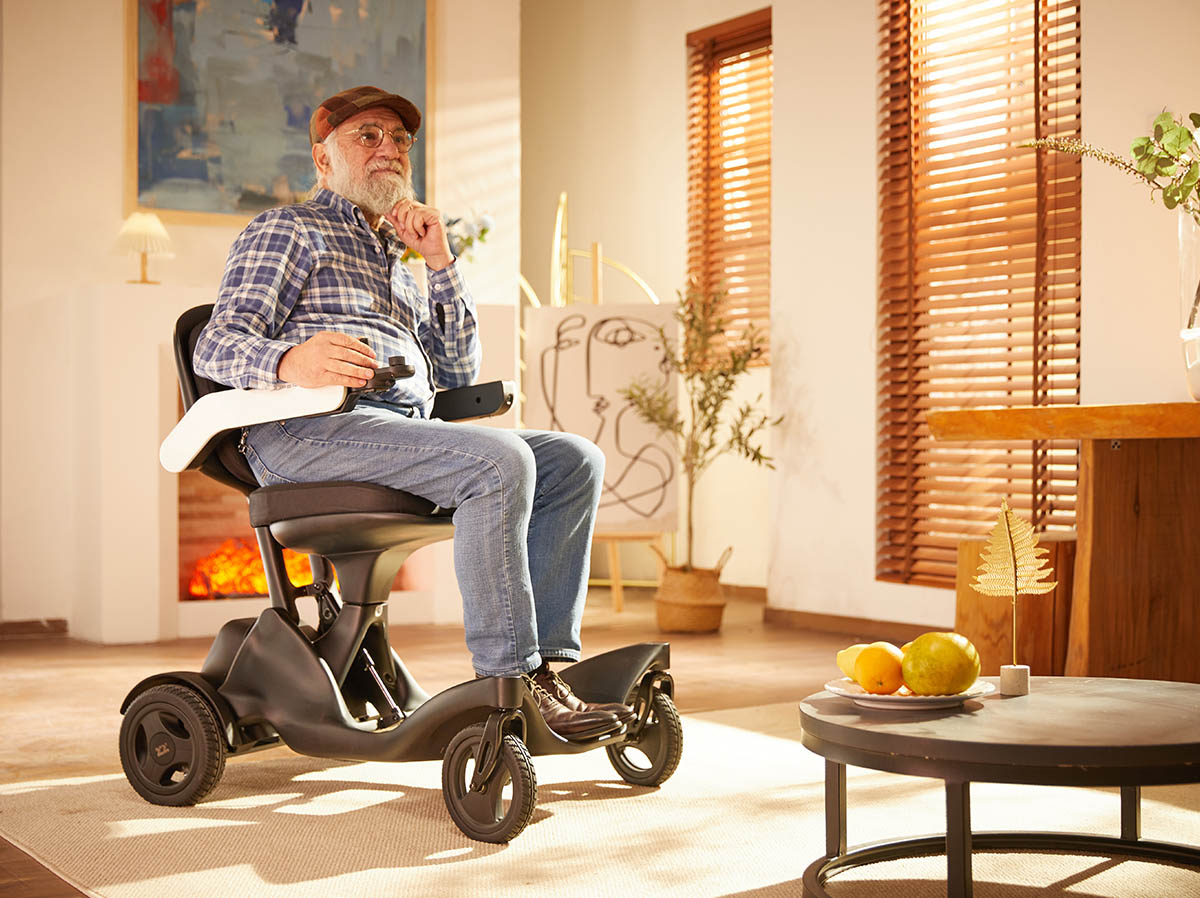
Rising Global Demand for Electric Wheelchairs
According to multiple industry reports, the worldwide mobility aid market is projected to grow steadily over the next decade. A key driver behind this trend is the increasing number of seniors requiring daily assistance for independent movement. Electric wheelchairs offer an ideal solution, providing a stable, easy-to-operate, and comfortable alternative to traditional manual wheelchairs.
In many countries, healthcare systems, rehabilitation centers, and eldercare facilities are integrating electric wheelchairs into their standard mobility programs. This has led to stable, long-term growth in both domestic and export markets.
Technological Advancements Improve User Experience
Modern electric wheelchairs are benefiting from rapid technological upgrades. Features such as intelligent braking, lightweight lithium batteries, shock-absorbing suspension systems, and ergonomic seating have transformed the overall user experience.
Manufacturers are also investing in foldable and portable models, making travel more convenient for users. Compact folding structures, airline-approved batteries, and modular components allow wheelchair users to enjoy increased freedom in daily life.
Increasing Adoption in Public and Private Sectors
Governments worldwide are intensifying their focus on accessibility and inclusive transportation. Public infrastructure—such as airports, shopping malls, hospitals, and tourist attractions—has begun encouraging the use of electric wheelchairs to elevate mobility for all citizens.
Meanwhile, private buyers are also becoming major contributors to the market. With rising living standards and growing awareness of accessibility needs, individuals are prioritizing high-quality mobility devices that offer safety, durability, and long battery life.
Manufacturers Strengthen Global Distribution
To meet this expanding demand, electric wheelchair manufacturers are updating their production lines, enhancing product testing, and expanding into international markets. Exported models must meet diverse regulatory standards, including FDA, CE, and ISO certifications.
In addition, OEM and ODM partnerships are becoming more common, allowing global distributors to develop customized electric wheelchair solutions that meet local market preferences.
Future Outlook: Smarter, Safer, and More User-Friendly
The future of the electric wheelchair industry points toward even smarter mobility solutions. Integrated IoT functions, app-based control, remote diagnostics, and improved energy efficiency will likely shape the next generation of products.
As population aging accelerates and accessibility awareness continues to grow, electric wheelchairs will remain a vital necessity worldwide. Manufacturers focusing on innovation, safety, and comfort are expected to be the biggest beneficiaries of this long-term growth trend.