

As cities become more urbanized and inclusive, electric wheelchairs are playing a vital role in transforming mobility for seniors and people with disabilities. With the integration of accessible infrastructure and smart city planning, electric wheelchairs are no longer just personal mobility devices—they are part of a broader ecosystem that enables independent movement, social participation, and urban inclusion.
Smart City Infrastructure Enhances Accessibility
Modern urban planning increasingly incorporates ramps, elevators, and wide pedestrian pathways, making it easier for electric wheelchair users to navigate public spaces. In addition:
-
Accessible public transport with wheelchair-friendly buses, trains, and metro stations
-
Smart crosswalks and traffic signals designed for slower mobility speeds
-
Public charging stations for electric mobility devices
These advancements ensure that wheelchair users can participate fully in city life without barriers.
Electric Wheelchairs Complement Public Mobility Solutions
Electric wheelchairs extend the reach of public transport by allowing users to travel safely from their homes to transit stations. They offer:
-
Short-distance mobility for first-mile and last-mile travel
-
Reduced reliance on caregivers for commuting
-
Increased independence in daily urban routines
By integrating personal mobility devices with public transportation, cities can reduce congestion while promoting inclusive mobility.
Safety and Navigation in Urban Environments
Navigating busy streets and crowded sidewalks presents unique challenges. Modern electric wheelchairs address these through:
-
Collision-avoidance sensors that detect obstacles in real time
-
Speed-limiting controls for dense urban areas
-
Stable suspension systems for uneven pavements and curbs
These features allow users to move safely while maintaining comfort and stability.
Promoting Social Inclusion and Community Engagement
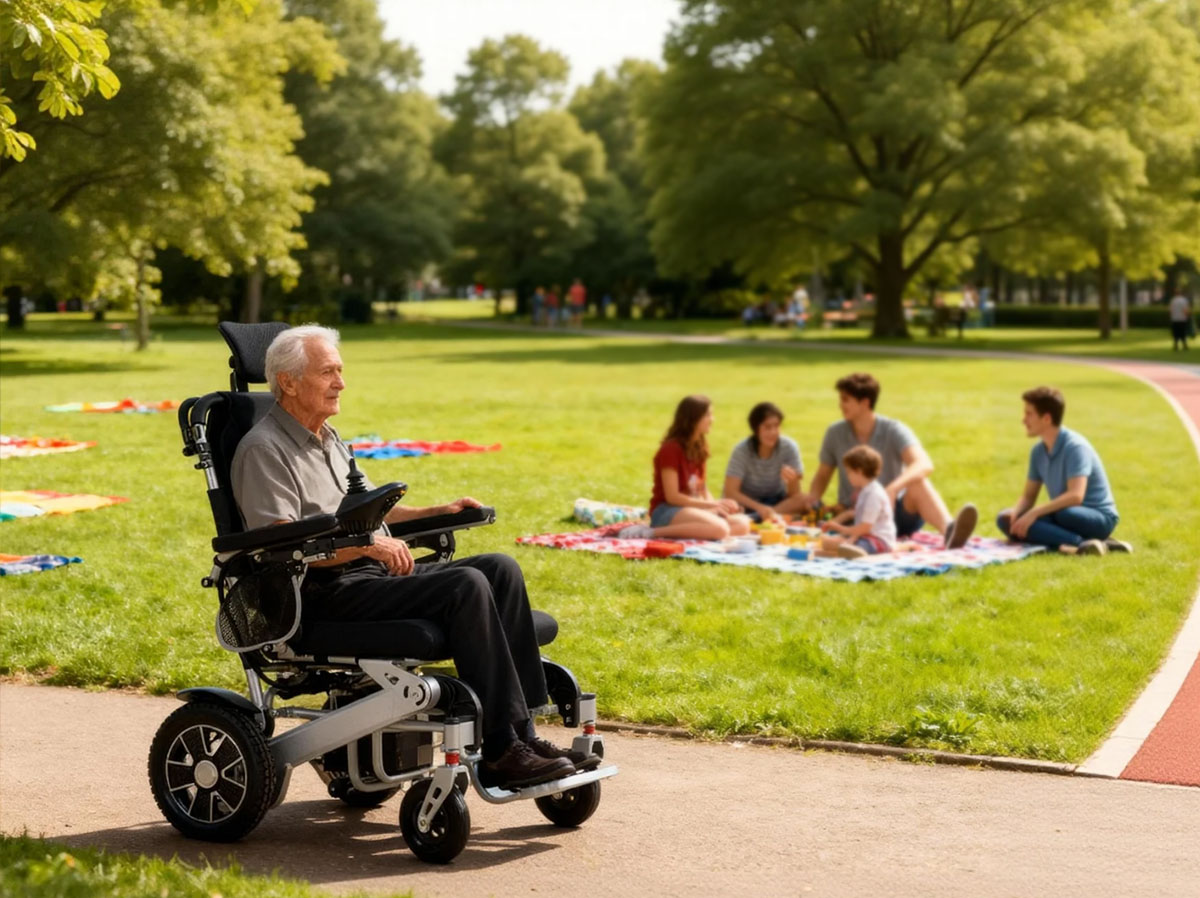
Electric wheelchairs empower users to participate more actively in urban life. From attending cultural events to shopping and visiting friends, these devices provide the freedom to engage socially. Cities that support accessible mobility help reduce social isolation and improve overall well-being for seniors and people with disabilities.
The Future: Integration with IoT and Smart Technology
The next generation of electric wheelchairs will be fully integrated with smart city technologies. Potential advancements include:
-
Real-time traffic data integration for route optimization
-
Connected apps for monitoring battery life, health, and maintenance
-
Automated parking and docking stations for shared mobility solutions
Such innovations will make urban mobility safer, more efficient, and more accessible for all users.
Conclusion: Electric Wheelchairs as a Key Component of Inclusive Cities
Electric wheelchairs are more than personal mobility aids—they are enablers of independence, accessibility, and social participation. As smart cities continue to evolve, integrating electric wheelchairs into urban mobility planning will help create environments where seniors and people with disabilities can thrive, live actively, and enjoy urban life without limitations.