
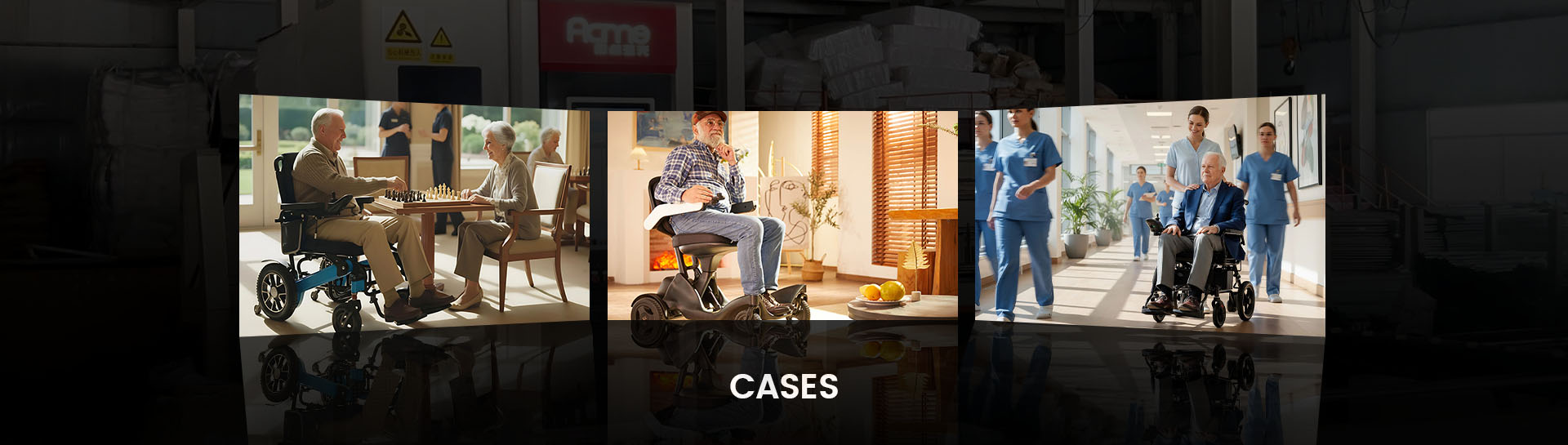
Assisted living facilities require safe, reliable, and comfortable mobility solutions to support residents with limited physical ability. This case study highlights how Electric Wheelchairs and Indoor Mobility Scooters from ZS enhanced mobility, independence, and daily comfort for seniors living in an assisted living facility.

Project Background
A mid-sized assisted living facility faced challenges with residents who:
-
Struggled to navigate long indoor corridors
-
Required assistance for daily indoor mobility
-
Needed safe devices for group activities and common areas
-
Needed reliable solutions to reduce caregiver workload
The facility sought a comprehensive indoor mobility solution that was safe, maneuverable, and easy to operate.
Products Used
1. Electric Wheelchairs — Indoor Daily Mobility
-
Use Scenario: Resident rooms, hallways, dining areas
-
Features:
-
Compact design for narrow spaces
-
Smooth joystick controls
-
Ergonomic seating for comfort
-
Stable anti-tip design
-
-
Benefits:
-
Allows residents to move independently indoors
-
Reduces risk of falls or collisions
-
Improves overall comfort and confidence
-
2. Indoor Mobility Scooters — Common Area Convenience
-
Use Scenario: Lounges, activity rooms, indoor courtyards
-
Features:
-
Four-wheel stability for smooth indoor surfaces
-
Lightweight and easy to maneuver
-
Rechargeable battery with full-day operation
-
Comfortable seating for longer indoor trips
-
-
Benefits:
-
Enables residents to participate in group activities
-
Provides semi-independent movement across the facility
-
Frees staff to focus on care tasks instead of transportation
-
Implementation and Setup
-
Facility layout was assessed to determine optimal routes for wheelchairs and scooters.
-
Devices were customized to resident needs, including seat height and joystick sensitivity.
-
Staff received training on safe device operation, charging, and maintenance.
-
Designated indoor paths were marked to reduce congestion and improve navigation.
Results and Improvements
1. Improved Resident Independence
Residents moved freely in hallways, lounges, and common areas without constant assistance.
2. Enhanced Safety
Electric wheelchairs and scooters reduced fall risks in high-traffic indoor areas.
3. Better Staff Efficiency
Caregivers could dedicate more time to direct care, as residents could navigate independently.
4. Increased Participation
Residents joined social activities, exercise programs, and communal dining more comfortably.
Resident and Staff Feedback
Residents reported feeling more confident and empowered, while staff noted easier daily operations and reduced physical strain. The combination of electric wheelchairs and indoor mobility scooters created a versatile and safe indoor mobility system.
Conclusion
This assisted living facility case study demonstrates how Electric Wheelchairs and Indoor Mobility Scooters can transform indoor mobility for seniors. By providing safe, reliable, and comfortable solutions, ZS ensures that residents can maintain independence, participate in daily activities, and enjoy an improved quality of life.