
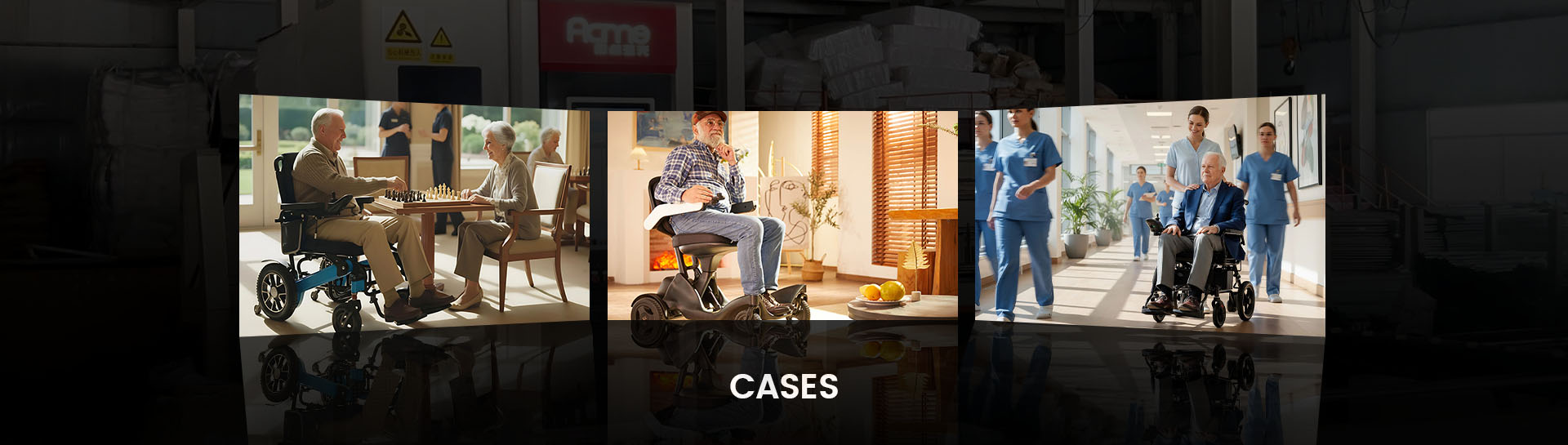
Efficient and safe patient transport is essential for modern hospitals. Patients often need to move between wards, diagnostic rooms, rehabilitation areas, and outpatient departments. This case study shows how Power Wheelchairs and Medical Mobility Scooters from ZS significantly improved transportation efficiency, patient comfort, and overall hospital workflow.

Project Background
A large regional hospital was seeking to improve its internal patient transport system. Traditional manual wheelchairs often required staff to push patients, resulting in:
-
Staff fatigue during long transfers
-
Slower patient flow
-
Difficulty handling patients with limited mobility or higher body weight
-
Patient discomfort during long-distance movement inside the hospital
To address these challenges, the hospital implemented power wheelchairs and medical-use mobility scooters for both patient transport and independent patient mobility.
Products Used
1. Power Wheelchairs — Smooth & Controlled Hospital Transport
-
Use Scenario: Hospital corridors, patient rooms, rehabilitation areas
-
Features:
-
Joystick navigation for precise control
-
Stable frame with medical-grade materials
-
Comfortable seating for longer sitting periods
-
Quiet motor suitable for hospital environments
-
-
Benefits:
-
Reduces physical strain on staff
-
Ideal for patients who cannot self-propel
-
Ensures smooth and stable transport
-
2. Medical Mobility Scooters — Efficient Movement Across Large Facilities
-
Use Scenario: Outpatient departments, diagnostic centers, large hospital campuses
-
Features:
-
Extended battery range for full-day usage
-
Four-wheel stability
-
Rear-wheel drive for stronger performance
-
Easy on–off access for patients
-
-
Benefits:
-
Allows semi-independent mobility for suitable patients
-
Faster transport between distant hospital zones
-
Frees staff resources for emergency or critical-care duties
-
Implementation Process
ZS worked closely with the hospital to ensure a smooth upgrade:
-
Transport route analysis to select the right models for narrow hallways and elevator compatibility
-
Staff training on safe operation, charging routines, and basic maintenance
-
Patient orientation for individuals with mobility challenges
-
Ongoing service support for long-term performance and reliability
Results and Improvements
1. Increased Transport Efficiency
Travel time between hospital departments was greatly reduced, improving patient appointment punctuality and overall workflow.
2. Reduced Staff Workload
Nurses and aides experienced less physical strain, allowing them to focus on medical care rather than pushing wheelchairs.
3. Enhanced Patient Comfort & Dignity
Patients reported feeling safer and more comfortable, especially during longer intra-hospital transfers.
4. Better Mobility for Rehabilitation Patients
Those in recovery phases benefited from using scooters independently in certain areas, improving confidence and muscle engagement.
Feedback from Hospital Management
Hospital administrators noted that the combination of power wheelchairs and medical scooters created a hybrid mobility system that:
-
Improved operational efficiency
-
Reduced manpower dependency
-
Increased patient satisfaction scores
-
Aligned with hospital modernization goals
Conclusion
This project demonstrates how Power Wheelchairs and Medical Mobility Scooters can significantly improve hospital transportation systems. By enhancing efficiency, safety, and patient comfort, ZS provides reliable mobility solutions tailored to the demanding environment of modern healthcare facilities.