

Keywords: electric walker chair, senior mobility scooter, ADA-compliant walker, post-stroke mobility aid, elderly walking assistance
Content:
The Confusion: When to Choose Electric vs. Manual
60% of seniors buy mobility aids based on price or marketing, not actual needs. Consequences? Overpriced, complex devices that gather dust—or underpowered tools that fail during critical moments. Let’s clarify:
When to Choose an Electric Walker Chair
Severe Mobility Limits: Post-stroke, muscular dystrophy, or joint replacement patients need “sit-stand-walk” integration. Our chairs offer one-button seat elevation, adjustable assistive force, and voice-command controls.
Complex Terrains: Urban slopes, mall stairs, or uneven outdoor paths? Our all-terrain models improve stability by 40% and feature shock-absorbing wheels for smooth rides.
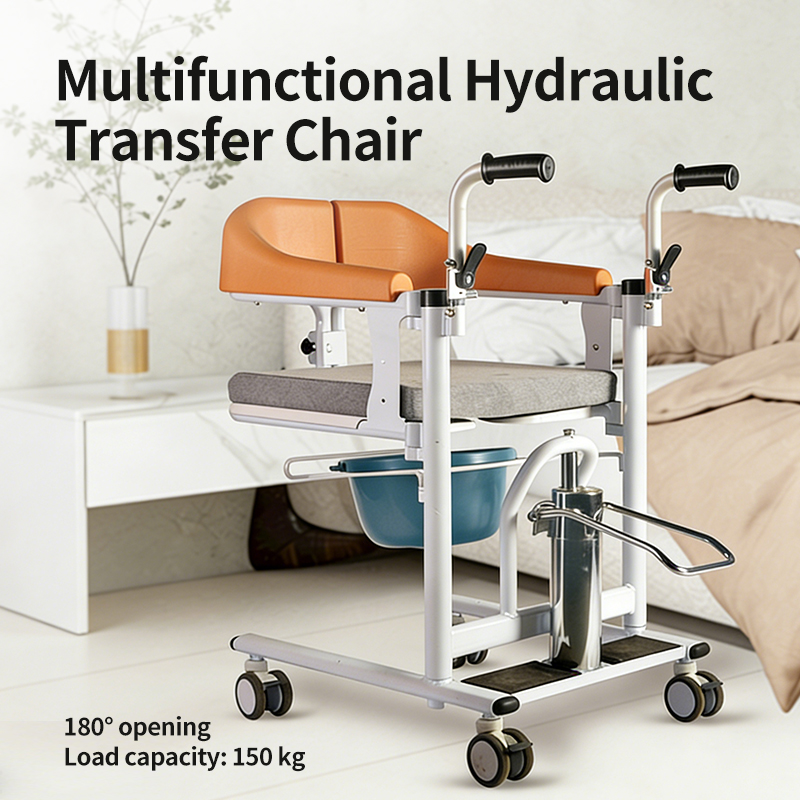
Long-Term Care: Models with bed-chair conversion modes sync directly with nursing beds, reducing caregiver physical strain by 70%.
When a Traditional Walker Still Works
Mild Balance Issues: For seniors needing light support, manual walkers or folding wheelchairs (under $200) suffice.
Rehabilitation: Post-surgery patients benefit from gradual strength-building with manual aids, avoiding dependency on electric systems.
Critical Buying Tips (From Consumer Reports)
Safety First: Avoid “ultra-light” traps—choose chairs weighing ≥15kg (prevents accidental sliding during braking). Key parts must use aerospace aluminum or high-strength steel.
Function Over Fluff: Skip “Bluetooth music” or “app connectivity.” Prioritize “one-touch fold,” “anti-pinch guards,” and “low-battery alerts.”
Warranty Matters: Demand 3-year free repairs and on-site setup services.
Call to Action: Don’t gamble with mobility safety. Book a free 1-on-1 consultation to match your loved one with the perfect electric walker chair.