

The global demand for electric mobility products continues to grow, creating strong opportunities for distributors, medical suppliers, and private-label brands. However, entering the electric wheelchair wholesale market requires more than simply comparing prices.
Understanding wholesale pricing structures, minimum order quantities (MOQ), certification requirements, and supply chain stability is essential for long-term profitability.
This guide explains everything buyers need to know before choosing a wholesale electric wheelchair supplier.
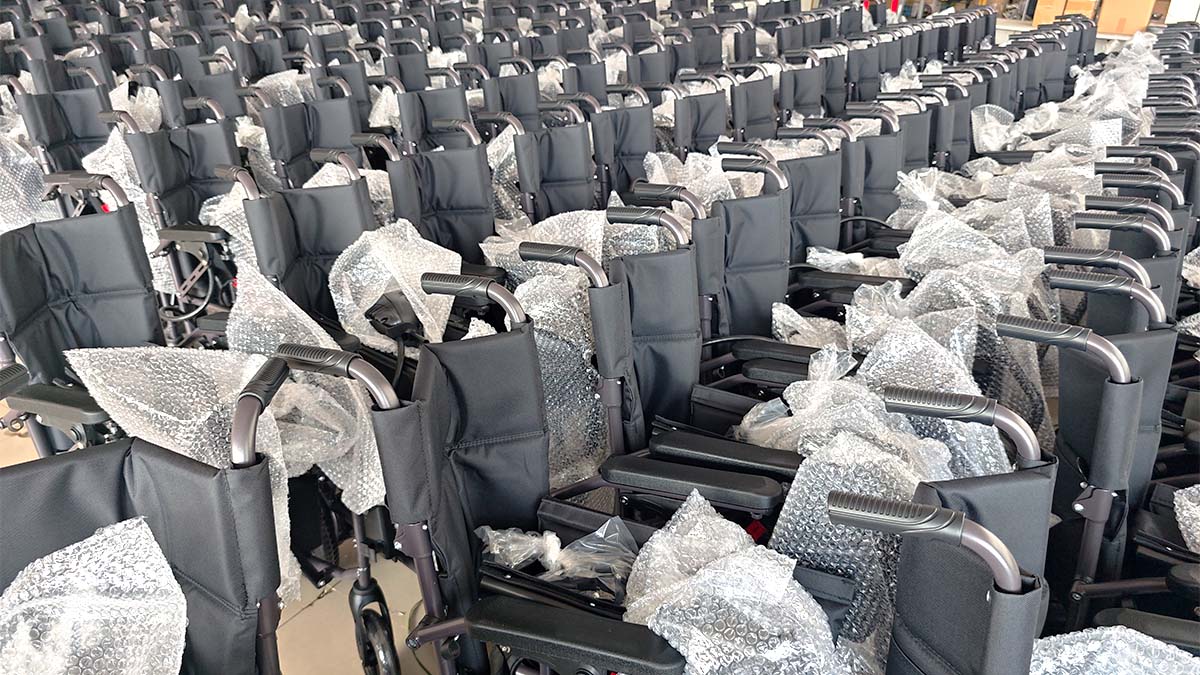
Understanding the Electric Wheelchair Wholesale Market
Wholesale electric wheelchairs are typically supplied to:
-
Medical equipment distributors
-
Rehabilitation centers
-
E-commerce sellers
-
Government procurement projects
-
Nursing home suppliers
Unlike retail purchases, wholesale transactions focus on:
-
Bulk pricing structure
-
Production capacity
-
Certification compliance
-
Stable lead times
-
After-sales support
Choosing the right electric wheelchair wholesale partner can determine your long-term success in the mobility industry.
How Electric Wheelchair Wholesale Pricing Works
Wholesale pricing depends on several cost components.
1. Core Material Costs
The main cost factors include:
-
Frame material (aluminum or steel)
-
Motor system (dual motor configuration)
-
Controller system
-
Battery type (lithium or lead-acid)
-
Tires and braking system
Lithium battery models generally have higher upfront costs but stronger long-term market demand.
2. Production Volume
The larger the order quantity, the lower the unit production cost.
Factories can optimize:
-
Raw material procurement
-
Production line efficiency
-
Packaging costs
-
Logistics arrangements
For wholesale buyers, increasing order volume improves price competitiveness.
3. Customization Level
OEM customization influences pricing.
Additional costs may include:
-
Logo printing
-
Custom packaging
-
Color adjustments
-
Upgraded seat materials
-
Motor or battery upgrades
The deeper the customization, the higher the tooling and setup cost.
4. Certification Costs
Compliance testing and certification also affect wholesale pricing.
Markets such as Europe and North America require:
-
CE compliance
-
ISO 13485 manufacturing system
-
FDA registration (for U.S. medical distribution)
-
Battery transport testing
Certified products may cost slightly more but ensure smooth customs clearance and legal distribution.
What Is the Typical MOQ for Electric Wheelchair Wholesale?
MOQ (Minimum Order Quantity) varies depending on:
-
Model complexity
-
Customization requirements
-
Production line setup
-
Packaging demands
General Industry Ranges:
-
Standard models: 20–50 units
-
OEM customized models: 50–100+ units
-
Deep structural modification: Higher MOQ
Factories require MOQ to balance:
-
Production efficiency
-
Material sourcing
-
Printing costs
-
Quality control expenses
Before confirming cooperation, always clarify MOQ clearly.
Certification Requirements for Different Markets
Wholesale buyers must understand regulatory requirements in target markets.
Europe
Requires CE compliance and related testing reports.
United States
Often requires FDA registration for medical distribution channels.
United Kingdom
May require UKCA compliance.
Middle East & Southeast Asia
Certification requirements vary by country, but CE is widely accepted.
Failure to meet certification standards may result in customs delays or legal issues.
Lead Time and Production Planning
Production lead time is critical for wholesale operations.
Typical lead time for electric wheelchair wholesale:
-
Standard models: 20–35 days
-
OEM customized orders: 30–45 days
Factors influencing lead time:
-
Order quantity
-
Customization level
-
Peak season demand
-
Raw material supply
Reliable wholesale electric wheelchair suppliers maintain stable production schedules and spare parts inventory.
Quality Control in Wholesale Orders
Bulk orders require strict quality management.
Professional manufacturers implement:
-
Incoming material inspection
-
Frame welding inspection
-
Motor performance testing
-
Battery charging and cycle testing
-
Final load testing
Before shipment, products should undergo complete inspection procedures.
For large wholesale orders, third-party inspections can be arranged.
Shipping and Logistics Considerations
Electric wheelchairs are categorized as mobility devices with battery components, which may affect shipping.
Important logistics considerations include:
-
Lithium battery transport regulations
-
Carton dimensions
-
Container loading optimization
-
Sea freight vs air freight costs
Folding electric wheelchairs reduce carton volume and improve container efficiency.
Efficient packaging design lowers transportation costs.
After-Sales Support and Spare Parts Supply
Wholesale cooperation does not end after delivery.
A professional electric wheelchair wholesale supplier should provide:
-
Spare parts kits
-
Warranty policy documentation
-
Technical troubleshooting support
-
Replacement part availability
Strong after-sales support reduces distributor risk and improves customer satisfaction.
How to Choose a Reliable Wholesale Electric Wheelchair Supplier
When selecting a supplier, evaluate:
-
Manufacturing experience
-
Production capacity
-
Certification support
-
Communication efficiency
-
R&D investment
-
Export experience
Avoid suppliers who cannot provide factory documentation or testing reports.
Long-term cooperation is more valuable than short-term price advantages.
Profit Margin Strategy in Electric Wheelchair Wholesale
To maximize profitability:
-
Choose models with strong market demand
-
Balance cost and quality
-
Consider mid-range positioning for stability
-
Invest in branding through OEM customization
-
Build long-term supplier relationships
Stable quality and compliance protect your reputation and reduce return rates.
Conclusion
Entering the electric wheelchair wholesale market requires a clear understanding of pricing structure, MOQ requirements, certification compliance, and production stability.
Choosing the right wholesale electric wheelchair supplier ensures:
-
Competitive pricing
-
Regulatory compliance
-
Stable delivery
-
Long-term profitability
For distributors and private-label brands, wholesale strategy is not just about purchasing — it is about building a reliable supply chain foundation for sustainable growth in the global mobility industry.